How Do I Know If I’m Registered to Vote? A Complete Guide for U.S. Voters
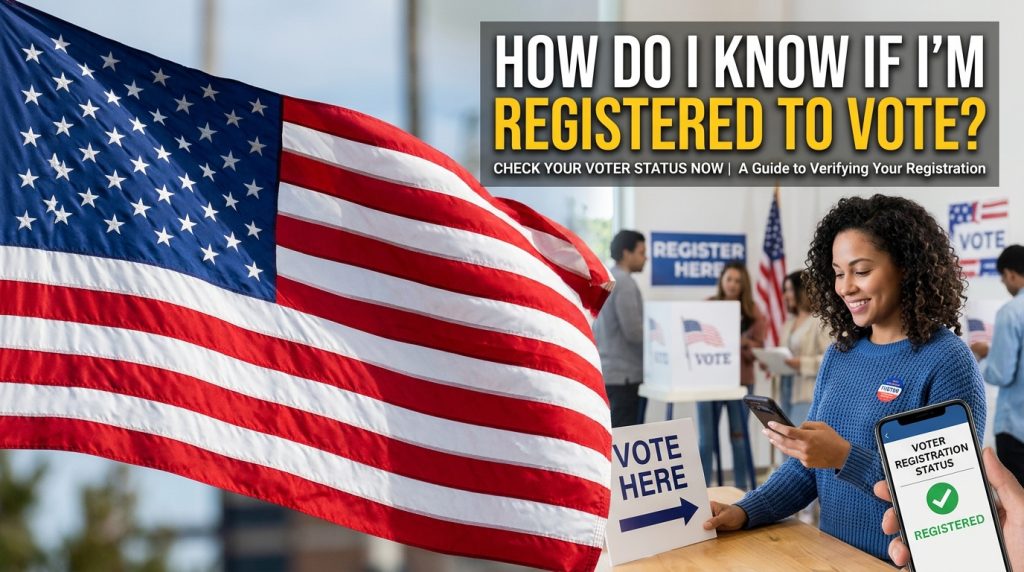
How Do I Know If I'm Registered to Vote
You moved last year. You renewed your driver’s license and clicked through a few screens. You voted once, a long time ago, and haven’t thought about it since. Now an election is coming and one question is nagging at you: am I actually registered to vote? How do I know if I’m registered to vote?
The good news is that finding out takes about two minutes, costs nothing, and can be done from your phone. This guide walks you through exactly how to check your voter registration status in the United States, what the results mean, and what to do if something looks wrong.
Why You Should Check Your Registration
In the U.S., elections are run by individual states, and almost every state requires you to be registered before you can vote. Being registered once does not guarantee you are registered now. Your status can change for several reasons:
- You moved. If you changed addresses and did not update your registration, your record may point to a place you no longer live.
- You changed your name. Marriage, divorce, or a legal name change can create a mismatch.
- You haven’t voted in a while. Many states send notices to inactive voters and may eventually remove them if they don’t respond and don’t vote across several federal elections.
- You registered through another agency. Signing up at the DMV or another public office is convenient, but paperwork sometimes gets lost or isn’t completed.
- You registered by mail or through a third-party drive. Forms can be delayed, rejected for missing information, or never submitted.
- Your record was flagged. Some states place voters on an “inactive” or “suspense” list after returned mail suggests they moved. You can usually fix this, but only if you know about it.
Checking early gives you time to fix problems. Most states have a registration deadline well before Election Day, and the cutoff varies from state to state.
The Fastest Way to Check: Use Official Government Tools
There is no single national voter database, so you have to check with your state’s election system. These official starting points will route you to the right place.
1. Vote.gov
Vote.gov is the U.S. government’s voter information site. Select your state or territory, and it will take you to your state’s official page for registering, updating your information, and checking your registration status.
2. Can I Vote (NASS)
Run by the National Association of Secretaries of State, Can I Vote lets you choose “voter registration status,” pick your state, and be taken to that state’s official lookup tool.
3. Your State or County Election Website
Go directly to your Secretary of State’s or state election board’s website. Searching for “[your state] check voter registration” usually works, but make sure the web address ends in .gov or is otherwise clearly an official election site. Some states also run lookups at the county level.
What the Lookup Tool Will Ask For
Requirements differ by state, but you will typically need:
- Your full legal name
- Your date of birth
- Your ZIP code or county
- In some states, your driver’s license number, the last digits of your Social Security number, or your street address
After you submit, you’ll generally see whether you’re registered, your voting address, your polling place, your party affiliation if your state records it, and sometimes your sample ballot.
A Word of Caution About Third-Party Sites
Many websites offer “Am I registered?” tools. Some are run by well-known nonpartisan nonprofits and are perfectly fine for a quick check. Others are lead-generation pages that collect your personal information for marketing or political campaigns.
To stay safe:
- Prefer official .gov sites.
- Be wary of any site that asks for your full Social Security number or payment information. No legitimate registration check needs payment.
- Don’t share your information with pages that bury the lookup behind signup forms or surveys.
What Your Results Might Say
Active. You’re registered and good to go. Still, confirm that your address, name, and polling place are correct.
Inactive. You are on the rolls but flagged, often because mail was returned or you haven’t voted recently. In many states you can reactivate by confirming your address or simply by voting. Check your state’s rules and contact your local election office.
Pending. Your application has been received but isn’t fully processed. Follow up with your election office if it stays pending close to an election.
Suspense or cancelled. Your registration may have been placed on hold or removed. Contact your election office right away to find out why and what steps are required to restore it.
Not found. Either you aren’t registered, your registration is under a different name or address, or you made a typo. Try again with alternate spellings, your previous name, or your previous county. If you still can’t find yourself, plan to register again.
What to Do If You’re Not Registered or Your Info Is Wrong
- Go to Vote.gov and select your state to find out how to register or update your record.
- Pick a method. Depending on where you live, you may be able to register online, by mail, or in person at an election office or motor vehicle office. Some states also offer same-day registration, which lets you register when you show up to vote.
- Check your state’s deadline. Registration deadlines differ widely. Confirm yours on an official state site rather than relying on a news article or social post.
- Update after every move or name change. Do it as soon as the change happens so you don’t have to scramble later.
- Re-check after you submit. Look yourself up again a week or two later to confirm the update went through.
Can I Still Vote If I Can’t Find My Registration?
Possibly. If you believe you are registered but your name doesn’t appear at the polling place, you generally have the right to cast a provisional ballot. Election officials will later verify your eligibility and count the ballot if you were eligible. Ask your election office about your state’s specific process ahead of time, and bring a form of ID if your state requires one.
How Often Should I Check?
A good habit is to check:
- Before every major election, including primaries and local races
- After you move, even within the same city
- After you change your name
- After you renew a driver’s license or state ID
- If you receive any notice from your election office
It takes minutes and can save you from a frustrating surprise.
You are reading this article on The Daily Reads.
Frequently Asked Questions
Is there a national voter registration database?
No. Each state maintains its own voter rolls, so you check with the state where you live.
Does registering at the DMV automatically register me?
In many states, yes, if you opt in or if your state uses automatic registration. But it’s wise to verify afterward.
Can I check someone else’s registration?
In some states, public voter file information is available, but the details vary and the intended uses are restricted. Check your own status through the official tool, and encourage friends and family to check theirs.
I’m a student. Where should I be registered?
Generally you can choose either your campus address or your permanent home address, but not both. Your state’s election office can explain the rules.
I’m in the military or living overseas. How do I check?
The Federal Voting Assistance Program (FVAP) at fvap.gov provides guidance for military members and U.S. citizens abroad, and your state’s lookup tool still applies.
Does checking my status affect my registration?
No. Looking yourself up is harmless and doesn’t change your record.
The Bottom Line
If you’ve been asking, “How do I know if I’m registered to vote?”, the answer is simple: visit Vote.gov or your state’s official election website, enter a few details, and see what your state’s records say. Do it before every election, fix any problems quickly, and make sure the people around you do the same. A two-minute check now is the surest way to be ready when it’s time to cast your ballot.
About The Author