
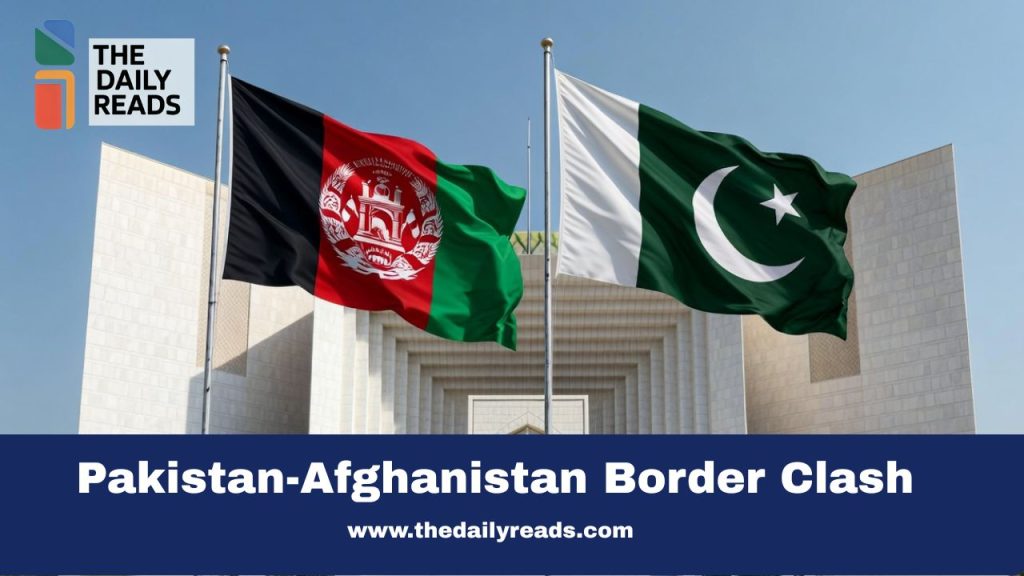
In late February 2026 fighting flared along the 2,600 km Durand Line border separating Pakistan and Taliban-ruled Afghanistan. The current crisis began with Pakistani air strikes on militant camps in eastern Afghanistan (21–22 Feb), following a surge in attacks in Pakistan blamed on Afghan-based terrorists. Afghanistan’s Taliban government denied harbouring militants and vowed retaliation. On 24 Feb sporadic cross-border shelling and gunfire erupted, with Pakistan’s spokesman saying the Taliban “initiated unprovoked firing” and was met with an “immediate and effective” response. By the night of 26–27 Feb, Pakistan bombed major Afghan cities including Kabul and Kandahar, declaring that its “patience has reached its limit” and an “open war” had begun. Both sides claim to have inflicted heavy losses: Islamabad reported destroying dozens of Taliban posts and claimed around 70–80 militants killed, while Kabul’s defence ministry says Afghan forces killed dozens of Pakistani troops (Taliban sources put Pakistani losses at ~40–55). Independent figures on civilian casualties vary: the UN mission in Afghanistan (UNAMA) reported at least 13 civilians killed by Pakistan’s strikes (with eight of them schoolchildren), while Afghan officials and aid groups report up to 18 civilian deaths. Both governments blame the other for violating sovereignty. The violence – the worst between Pakistan and Afghanistan since October 2025 – has drawn urgent calls from the UN, neighbouring states (including China, Iran, Russia), and aid organisations for de-escalation and protection of civilians.
Timeline of Recent Clashes
- 21–22 Feb 2026: Pakistan launches “intelligence-based selective targeting” strikes on seven militant camps in Nangarhar, Paktika and Khost provinces. Islamabad says the raids (by air and ground) were retaliation for a wave of terrorist attacks inside Pakistan (including suicide bombings in Bajaur and Islamabad) linked to the Afghan Taliban’s Pakistani offshoot (TTP) and IS-Khorasan.
- 22 Feb: Taliban government officials condemn the strikes, calling them a “blatant violation of sovereignty”. Taliban spokesman Zabihullah Mujahid claims “dozens” of civilians (including women and children) were killed, and the Afghan defence ministry vows a “measured response”. UNAMA later confirms “credible reports” of 13 civilian deaths and 7 injured in Nangarhar’s Behsud and Khogyani districts. Afghan education officials report that eight schoolchildren (five boys, three girls) died and dozens of educational centres were damaged. The Afghan Red Crescent estimates the toll at 18 civilians.
- 24 Feb: Renewed border skirmishes break out. Pakistan’s Prime Minister’s spox, Mosharraf Zaidi, says “the Afghan Taliban initiated unprovoked firing” in the Torkham and Tirah sectors, and Pakistani forces “responded immediately and effectively, silencing the Taliban aggression.”. Afghan officials offer a different account: an Afghan border commander says Pakistani troops fired first, and Afghan units only returned fire. No casualties are independently confirmed in this exchange, though tensions spike. UNAMA reiterates its calls to protect civilians amid the tit-for-tat strikes.
- 25 Feb: A brief lull as both sides rally forces. Pakistani media report the death toll from its strikes may have reached 70–80 militants. Afghanistan’s Taliban holds senior meetings; Pakistan’s Foreign and Defence Ministers publicly warn of cross-border retaliation if attacks continue.
- 26 Feb (overnight): The Afghan Taliban launch “large-scale offensive operations” along the border. Taliban spokesperson Mujahid claims ~40 Pakistani soldiers killed in Kunar province. Pakistan’s military says no posts were lost but that it inflicted “heavy losses” on the attackers. Intense artillery exchanges occur in Khyber Pakhtunkhwa (Pakistan) and Kunar/Torkham (Afghanistan). Houses and a returnee camp at Torkham are hit, displacing civilians. “Children, women and old people were running,” said Gander Khan (65), an Afghan refugee at the Omari camp, describing people fleeing the overnight fire. At least two children and three women were wounded by stray rounds, he saw.
- 27 Feb (early hours): Pakistan launches retaliatory strikes on Afghanistan’s main cities. Air strikes and helicopter gunships hit Kabul, Kandahar, and Ghazni; artillery shells land near civilian areas. Pakistan’s Defence Minister Khawaja Asif declares “open war” – “Our patience has reached its limit” – claiming Islamabad is “giving a decisive response” to the Taliban attacks. Hours later, Pakistan’s Information Minister Attaullah Tarar announces on social media that suspected Taliban or allied militants attempted drone strikes inside Pakistan, but all drones were shot down with “no damage to life”. Kabul reports that Afghan forces successfully used armed drones to strike targets in Pakistan, though Islamabad denies any damage
Conflicting Reports
Estimates of casualties vary sharply by source. Pakistan’s military claims to have eliminated dozens of militants; Afghan and international observers report significant civilian losses. The table below summarises the main figures claimed by each side and by neutral monitors:
| Category | Pakistan/Government Claims | Taliban/Afghan Claims | Other Reports |
|---|---|---|---|
| Taliban/TTP fighters killed | ~70–80 militants killed in Pakistan’s Feb 21–22 airstrikes (Pakistani officials, citing intelligence) | N/A (Afghan side denies targeting militants) | — |
| Pakistani soldiers killed | None; no posts lost, Pakistan “inflicted heavy losses” (Pak PM’s spox) | 40–55 soldiers (Taliban spokesman: 40 in Kunar; Afghan defence ministry: 55 total) | — |
| Afghan civilians killed | 0 (Pakistani denies civilian deaths) | “Dozens” (Taliban media claims many killed, including women/children) | 13 killed (UNAMA, Feb 21–22 strikes); 18 killed (Afghan Red Crescent, Nangarhar) |
| Pakistani civilians killed | N/A | At least 1 (via Afghan claim: one civilian in Bajaur, Pakistan) | 4 killed (AA/NDS report: 1 in Pakistan’s Bajaur, 3 in Afghan border region) |
Discrepancies: Pakistan’s figures focus on militant casualties and deny any significant losses on its side, while the Taliban and Kabul highlight Pakistani military losses and civilian deaths. Neutral reports (UNAMA, aid agencies) confirm civilian tolls in Afghanistan (13–18 killed) but cannot independently verify combatant losses. These gaps underscore how claims remain unverified and contested.
For more updates, visit our Politics section.
Human Impact and Local Voices
Beyond military losses, civilians on both sides are caught in the crossfire. In Afghanistan’s remote Nangarhar province, airstrikes have struck villages. “People here are ordinary people… When the bombing happened, one person who survived was shouting for help,” recalled Amin Gul Amin (37), a villager in Bihsud who helped dig survivors from the rubble. Afghan officials say homes and even schools were hit – eight schoolchildren were killed – and dozens more civilians wounded.
On the Pakistani side, the Torkham border crossing (a main route for returning refugees) saw overnight shelling and strikes. The Omari reception camp, sheltering Afghan returnees, was hit and evacuated. “Children, women and old people were running,” said Gander Khan, a 65-year-old returnee, as people fled in panic. He described seeing two or three women and children wounded by shrapnel. Hospitals on both sides are treating the wounded; aid groups warn that continued fighting risks deeper humanitarian crisis during Ramadan.
Humanitarian agencies and regional NGOs have called for safe corridors. The Afghan Red Crescent and Pakistan’s National Disaster Management Authority report displaced families on both sides. The UN and ICRC are prepared to assist but note that border closures and insecurity complicate relief. As UNAMA stressed, “the heaviest toll was in the south” and civilians must be shielded.
Official Statements and Diplomatic Responses
Pakistan’s Position: Islamabad insists it acted in self-defence against terror networks. Prime Minister Shehbaz Sharif and Information Minister Tarar say Pakistan repeatedly warned the Taliban to stop militants using Afghan soil. Sharif’s office released dispatches asserting Pakistan had “conclusive evidence” linking TTP attacks to Afghan-based insurgents. Defence Minister Asif told Parliament that “every effort” was made to avoid conflict through diplomacy, but that strikes were justified by Pakistani law to protect citizens. He and the Army’s ISPR spokesman promise continued operations “with no restraint” against militants regardless of location. Pakistan’s foreign ministry has also reminded Kabul of Pakistan’s diplomatic outreach (including releasing detained Afghan diplomats) and demanded Afghan forces respect Pakistan’s sovereignty.
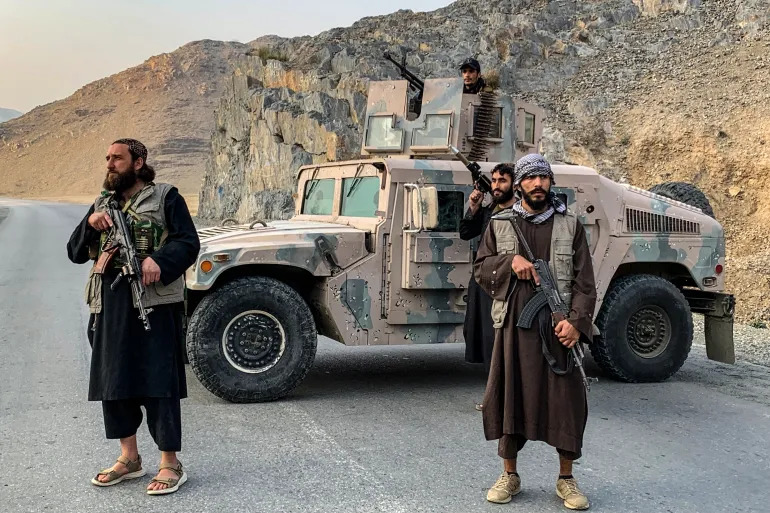
Afghanistan (Taliban) Position: Kabul labels Pakistan’s actions as aggression. The Taliban defence ministry decries “blatant violation of sovereignty” and has summoned Pakistan’s ambassador. Taliban spokesman Mujahid said attacks destroyed civilians’ homes and targeted non-combatants, calling the strikes “criminal act[s]”. He says Afghanistan was acting in defence of its territory when conducting its own border raids. While emphasizing that Afghanistan does not recognise the Durand Line border, Taliban officials have so far avoided a full-scale invasion of Pakistani territory; instead they focus strikes on frontier posts. The Taliban also highlight Pakistan’s internal strife (suicide bombings, insurgency) as the root cause.
International and Regional Reactions: The United Nations has urged immediate de‑escalation. Secretary-General António Guterres stressed the parties’ obligations under international law and called for civilian protection. The UN Special Rapporteur on Afghanistan voiced deep concern over child casualties. China’s Foreign Ministry expressed being “deeply concerned” and offered to mediate. Russia’s foreign ministry called for an immediate halt to cross-border attacks and diplomatic talks. Iran’s FM Abbas Araghchi – mediating talks among neighbours – urged dialogue and restraint, especially during Ramadan. India’s government, wary of Taliban ties, publicly condemned Pakistan’s air strikes as an attempt to “externalise its internal failures”. Turkey reportedly is engaged in shuttle diplomacy. So far no formal UN Security Council statement has been issued on this specific flare-up, but human rights experts and neighbouring countries stress the need to prevent regional spill-over.
Historical Context
The conflict echoes a long, fraught history. Pakistan was an early supporter of the Taliban (2001–2008) but relations soured as Islamabad accused Kabul of harbouring anti-Pakistan militants. The Durand Line border (drawn by British colonialists in 1893) has never been fully recognized by Afghan regimes. Cross-border militancy has often led to clashes. In October 2025, similar fighting killed dozens on both sides until a ceasefire (mediated by Qatar/Saudi Arabia) was agreed. Pakistan then released Afghan prisoners and vice versa to rebuild trust. That truce was fragile. The current hostilities broke that uneasy peace. Islamabad accuses Afghanistan’s Taliban of failing to rein in the TTP and other insurgents; Kabul counters that Pakistan wrongfully strikes Afghan soil and blames Kabul for its own security issues.
As of 27 February, fierce exchanges continue with no ceasefire announced. Pakistan has ordered its forces to “crush any aggressive ambitions”. Afghan officials warn that further Pakistani attacks would be met with retaliation. Analysts fear the conflict could widen, drawing in regional powers or igniting insurgencies on both sides. Independent observers note that the asymmetry in air power means Afghanistan may increasingly resort to guerrilla raids and drone attacks. For now, international agencies are focused on humanitarian relief and pushing for calm. The coming days will test whether diplomacy can halt an escalation that imperils civilians and destabilises a volatile region
Sources
- ‘Open war’: Pakistan and Afghanistan’s Taliban claim major casualties
- Pakistan, Afghan forces clash after days of hostilities
Learn more about our editorial standards on our About Us page

Md. Ahasan Habib Rifat, born 2 October 2006 in Rangpur, Bangladesh, is a Bangladeshi author known for his works on Islam, comparative religion, and themes promoting peace and compassion. He is the founder of Islampidia, a platform for authentic Islamic knowledge in Bengali, and Khagrabondo Adorsho Bidya Niketon, a primary school promoting quality education and ethical values.
Rifat completed his primary and secondary education at Maddhapara Granite Mine School from 2016 to 2022 and higher secondary studies at Border Guard Public School & College, Rangpur from 2023 to 2024.